Precision Machining
Manufacturing-Driven Accuracy for Critical Features
Precision machining is about controlled features and consistent measurement — keeping datums stable, maintaining repeatability, and verifying critical dimensions against the print. Matrix supports this work from Clearwater, Florida for buyers across Tampa Bay, Pinellas County, and nationwide programs.
Controlled features, stable datums, and verification
Precision machining is the combination of machining strategy and inspection planning. The focus is on stable datums, repeatable setups, and verification steps that keep critical dimensions in control.
- Datum strategy per print
- Setup sequencing
- Workholding/fixturing approach
- Feature control and repeatability
- Mating features and functional surfaces
- Tooling selection per material
- In-process checks for critical features
- Final verification to drawing
- Clear notes for repeat work
- Custom parts
- Prototype-to-production continuity
- Repeat work with consistent outcomes
Inspection, workholding, and CNC equipment
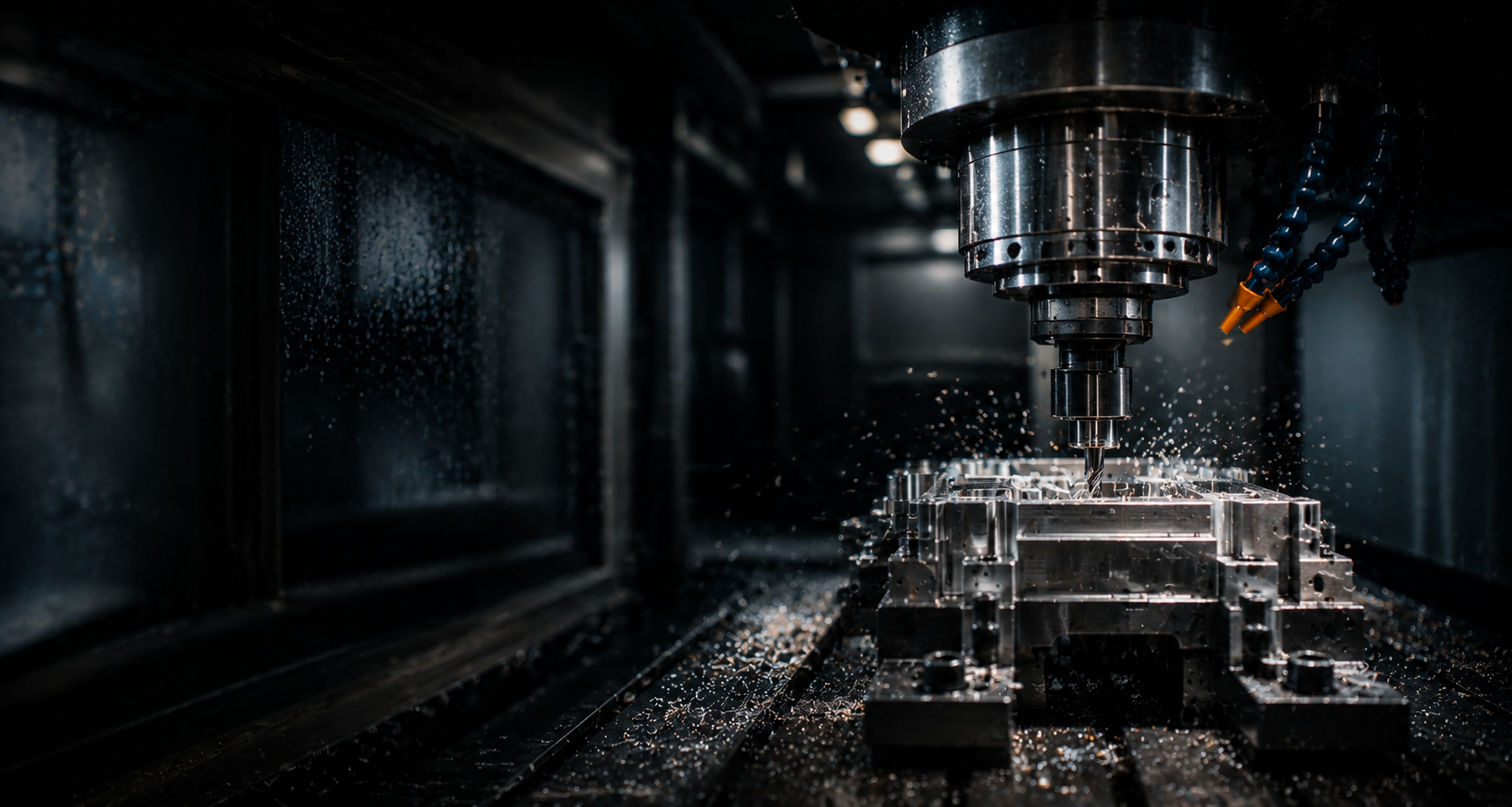
Precision outcomes depend on the full system: stable workholding, capable machining, and inspection that verifies critical features.
Often paired with precision work
Where precision machining matters
Precision machining is often selected when parts need controlled mating features, consistent hole locations, and repeatable outcomes across assemblies. Requirements are driven by the print and the function of the part.
Material selection (metals and engineering plastics) affects tooling, workholding, and inspection strategy — especially for thin features, long parts, or complex datums.
Route precision work into the right support pages
Precision machining questions
Precision machining focuses on controlled features, stable datums, and repeatable setups so parts meet drawing requirements consistently. It includes machining strategy plus inspection planning.
Call out critical features, datums, and inspection notes directly on the print when possible. If certain features drive fit or function, highlight them so the setup and inspection plan can prioritize them.
Yes. Precision work is supported by in-process checks and final verification aligned to the drawing and critical features.
Yes. The same precision approach applies to prototypes and repeat work: define requirements, plan stable setups, and verify critical dimensions for consistency.
A PDF drawing is the most common start. Include material, quantity, timeline, and any finish or inspection requirements so the quote matches the job needs.
Request a quote
Share your drawing/print and call out critical dimensions, datums, and any inspection notes.