CNC Machining
Precision CNC Solutions for Complex Industrial Components
CNC machining supports repeatable custom parts and production work using programmed milling and turning operations, backed by practical inspection workflows aligned to your drawing requirements. Matrix is based in Clearwater, Florida and works with buyers across Tampa Bay, Pinellas County, and nationwide.
Milling and turning workflows for repeatable parts
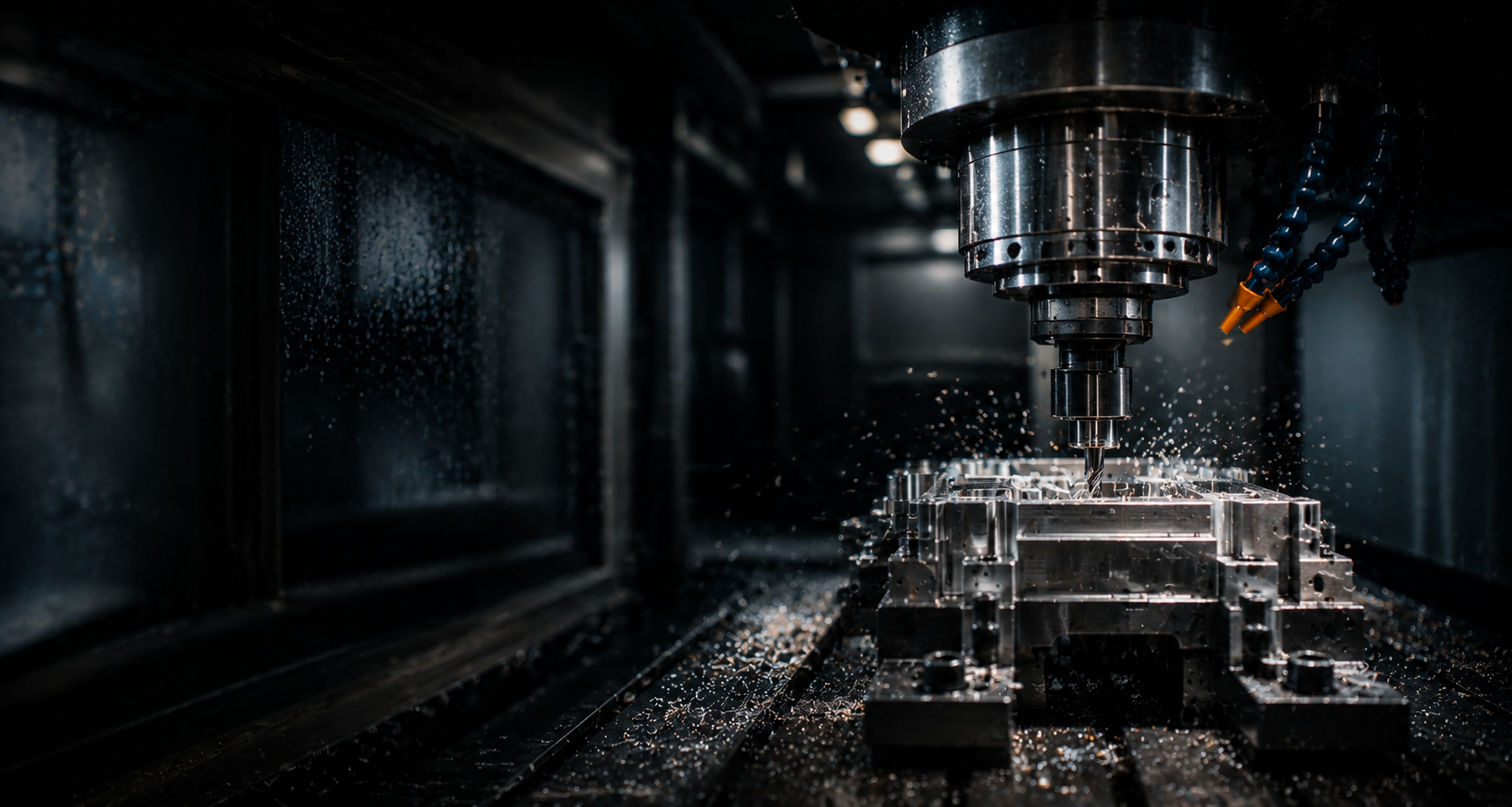
CNC machining supports parts that need consistent datums, accurate features, and repeatability across prototype and production work. The job plan focuses on workholding, toolpaths, and inspection steps aligned to the print.
- CNC milling and CNC turning
- Hole patterns, threads, pockets, grooves
- Facing and profiling
- Datum and setup planning
- Tooling strategy per material
- In-process checks on critical features
- Repeatable part-to-part results
- Controlled mating features
- Consistent hole locations and diameters
- Custom components
- Prototype parts and one-offs
- Small to mid-volume repeat work
Machines, workholding, and inspection
CNC machining results come from the full workflow: equipment selection, stable setups, tooling, and inspection. These machinery categories commonly support CNC machining projects.
Often paired with CNC machining
Common materials and industrial outcomes
CNC machining is commonly used for aluminum, steel, stainless, brass, bronze, and engineering plastics. The machining approach is planned around part geometry, datums, and inspection notes.
Typical outcomes include controlled mating features, consistent hole locations, accurate diameters, and repeatable assemblies for industrial equipment, fixtures, and replacement components.
Keep moving through the right next page
Buyers often start on CNC machining before they know whether the next decision is process-specific, material-specific, or inspection-driven. These links route that intent into the right supporting pages.
CNC machining questions
CNC machining uses programmed toolpaths to produce accurate, repeatable features with milling and turning operations. It’s commonly used for custom parts, prototypes, and repeat work.
CNC machining can include both. Milling is typically used for faces, pockets, slots, and hole patterns; turning is typically used for diameters, grooves, shoulders, and threads.
Yes. Matrix supports one-off prototype parts as well as repeat production work when requirements, setups, and inspection notes are defined.
Tolerance capability depends on the print, material, geometry, and inspection requirements. Share your drawing and call out critical features so the machining and inspection plan can be aligned to the job.
Include your drawing/print (PDF is common), material, quantity, and timeline. If you have models or special notes (finish, fit, or inspection), include those as well.
Request a quote
Include your drawing/print, material, quantity, and timeline — and call out critical dimensions or inspection requirements.