CNC Milling
Advanced Milling Capabilities for Accurate Custom Parts
Precision milling for custom parts, prototypes, and production support. Matrix focuses on stable datums, clean workholding, and inspection steps that keep critical dimensions in control from its Clearwater, Florida shop for Tampa Bay and nationwide buyers.
Milling processes, workflows, and part outcomes
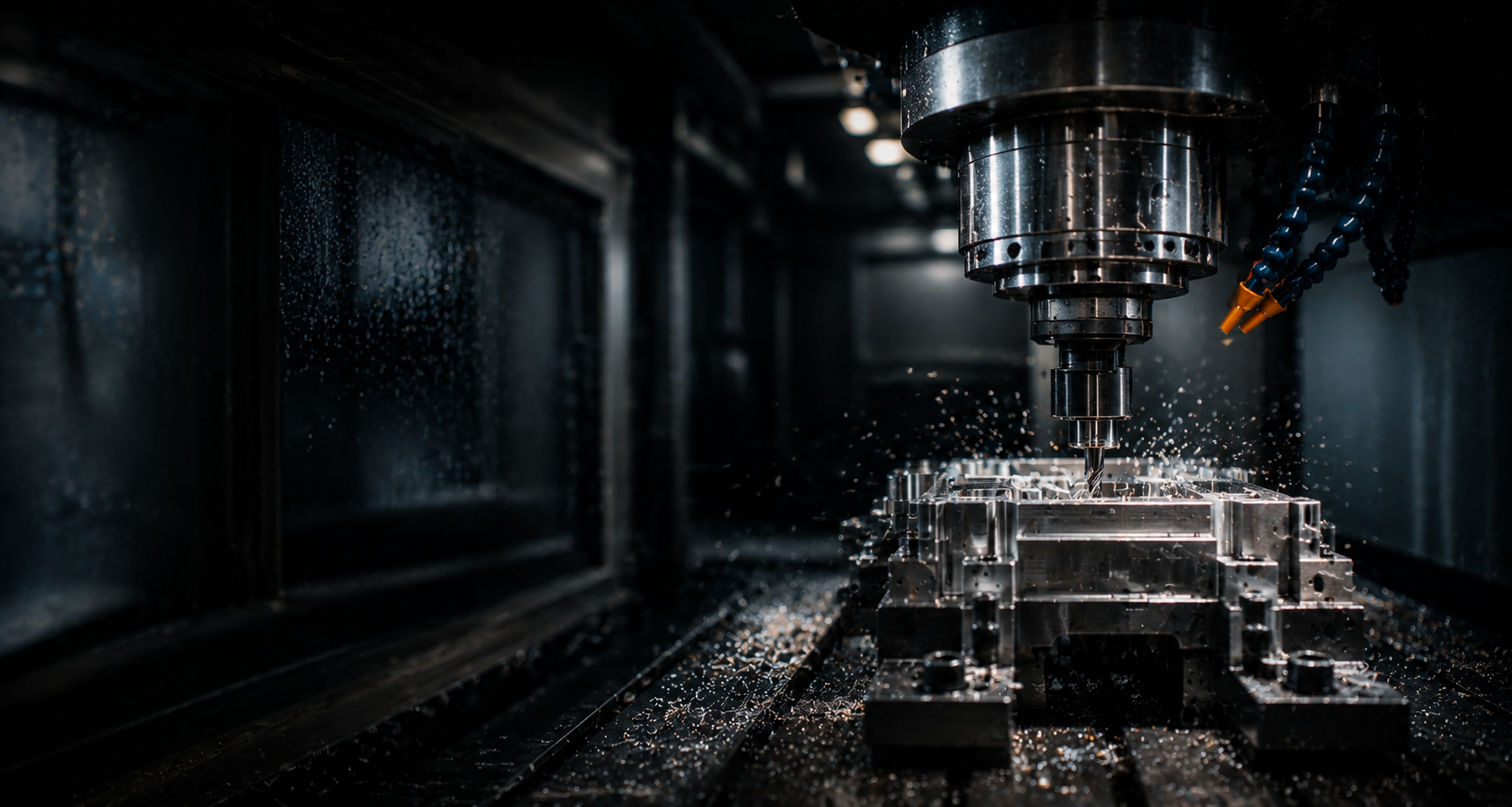
CNC milling supports parts that need accurate faces, hole patterns, pockets, slots, and mating features. We plan workholding and toolpaths around the print so the part measures correctly and repeats reliably.
- 3-axis and 4-axis milling
- Facing, profiling, pocketing
- Hole patterns and tapped holes
- Datum and setup planning
- Fixture and workholding strategy
- In-process verification for critical features
- Brackets, plates, mounts
- Housings, covers, adapters
- Machined features added to existing parts
- Prototype parts and one-offs
- Small to mid-volume repeat work
- Custom components built to prints or samples
Machines and inspection that support milling work
The right equipment helps, but repeatability comes from the full workflow: setups, tooling, and inspection. See the machinery categories that commonly support CNC milling projects.
Often paired with milling
Metals, plastics, and industrial use cases
CNC milling is commonly used for aluminum, steel, stainless, and engineering plastics. Material selection, tool choice, and workholding are planned around the print so key dimensions and mating features remain consistent.
Typical industrial outcomes include accurate mounting surfaces, alignment features, and hole patterns that support assemblies, fixtures, equipment components, and replacement parts.
Keep the milling conversation moving
CNC milling questions
What is CNC milling?
CNC milling uses a rotating cutting tool and programmed toolpaths to machine features like pockets, slots, faces, and hole patterns in a part.
What types of parts can be CNC milled?
Common milled parts include brackets, plates, housings, adapters, bases, and components that require accurate hole patterns, flatness, or machined faces.
Can Matrix support prototypes and production runs?
Yes. CNC milling supports one-off prototype work as well as repeat production runs when consistent setups and inspection notes are defined.
What file formats are accepted for quotes?
A PDF drawing is the most common starting point. If you have a model file or additional specs, include them along with material, quantity, and due date.
Can replacement parts be manufactured with CNC milling?
Often yes. If you have a drawing, spec, or sample part, CNC milling can be used to reproduce key features and mating surfaces when appropriate.
Need CNC milling support for a precision part?
Send your drawing/print, material, quantity, and timeline. We’ll follow up with any questions and provide a clear quote path.