Precision manufacturing support for demanding parts, disciplined workflows, and dependable delivery.
Matrix Machining & Mfg supports custom machined parts, prototype builds, repair components, and repeat production for buyers who need drawing-focused review, stable execution, and direct communication.

What helps Matrix quote the job accurately.
The strongest RFQs make the part requirements easy to read: current revision, material, quantity, timeline, and the features or documentation expectations that actually control acceptance.
Capabilities for prototype, production, repair, and repeat work.
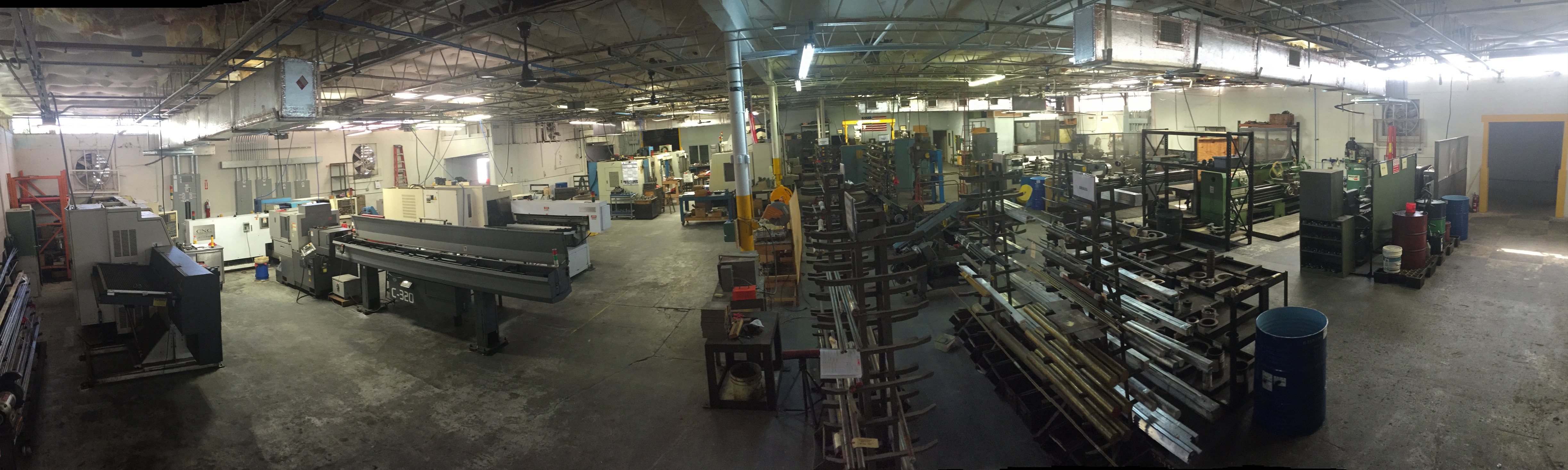
Matrix supports CNC machining, custom parts, replacement components, and ongoing production with processes matched to the part geometry, material, and volume.
CNC Machining
End-to-end machining support for prismatic, turned, and multi-operation components that need stable execution.
Best for mixed-feature parts, custom builds, and repeat work that crosses milling and turning steps.
Precision Manufacturing
Datum-driven production with controlled processes, repeatable setups, and inspection-aware execution.
Best for drawing-driven jobs where feature relationships and process control matter more than speed alone.
Fabrication Support
Fabrication-adjacent work that complements machined parts, fixtures, and welded assemblies.
Best for projects where machined components need to integrate into larger fabricated or welded assemblies.
Assembly
Assembly-ready component support for equipment builds, production cells, and integrated part packages.
Best for buyers consolidating machined components, support hardware, and assembly-ready part packages.
Prototype Development
Prototype and validation work that keeps manufacturability visible before the job scales.
Best for early builds, design refinement, and one-off parts that still need disciplined process review.
Production Runs
Repeatable batch and scheduled manufacturing support for ongoing industrial demand.
Best for recurring demand, stable setups, and batches that need predictable quality and communication.
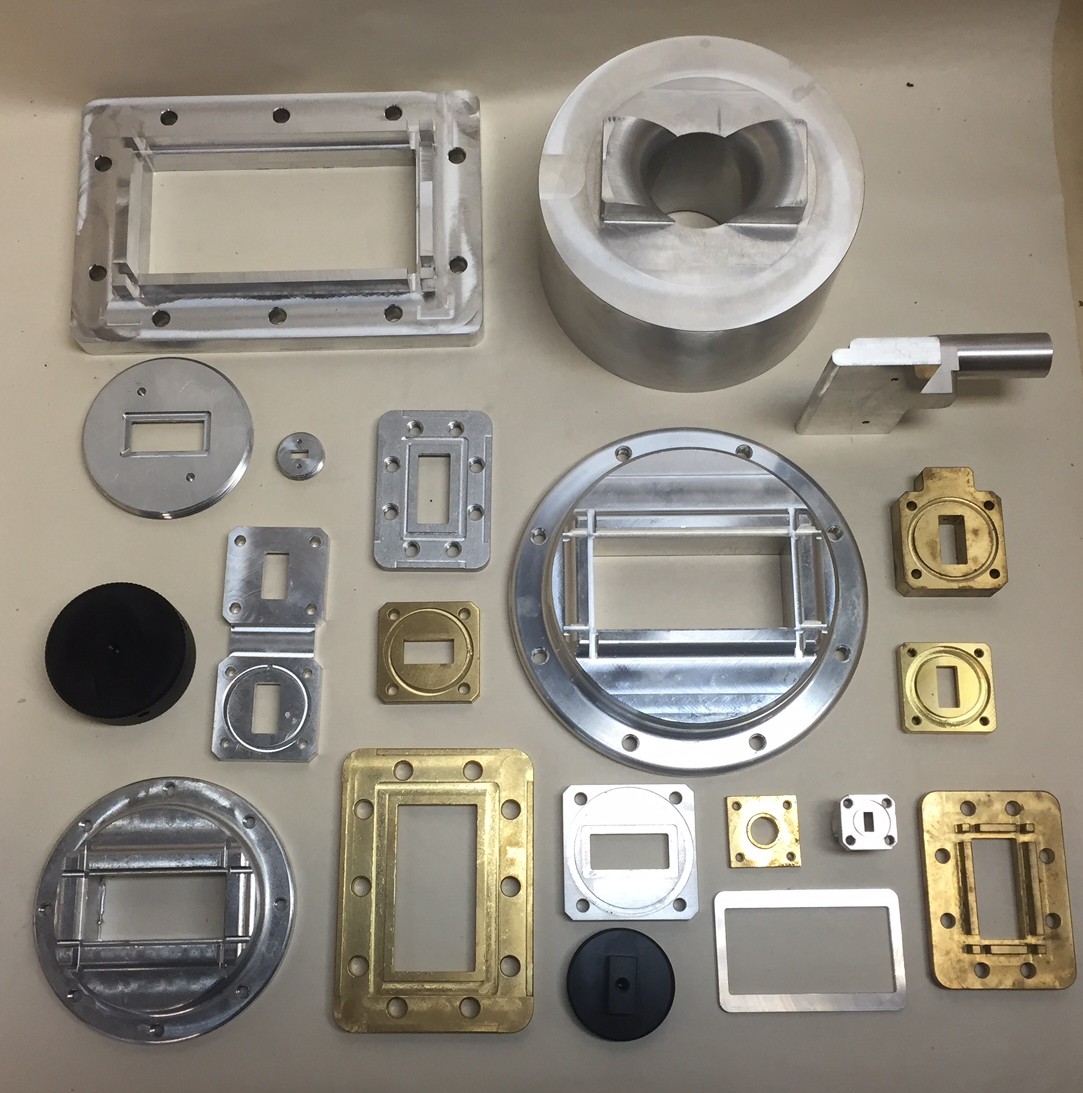
Quality planning and inspection for tolerance-sensitive work.
Matrix uses process planning, in-process checks, final verification, and documentation-aware workflows to keep critical features and buyer expectations aligned.
Process discipline without inflated claims.
Quote review, setup planning, in-process checks, and final verification stay tied to the print and the features that matter most.
Industries served across industrial and regulated applications.
Aerospace, defense, marine, medical, industrial, and government-related programs each bring different material, documentation, tolerance, and delivery requirements.
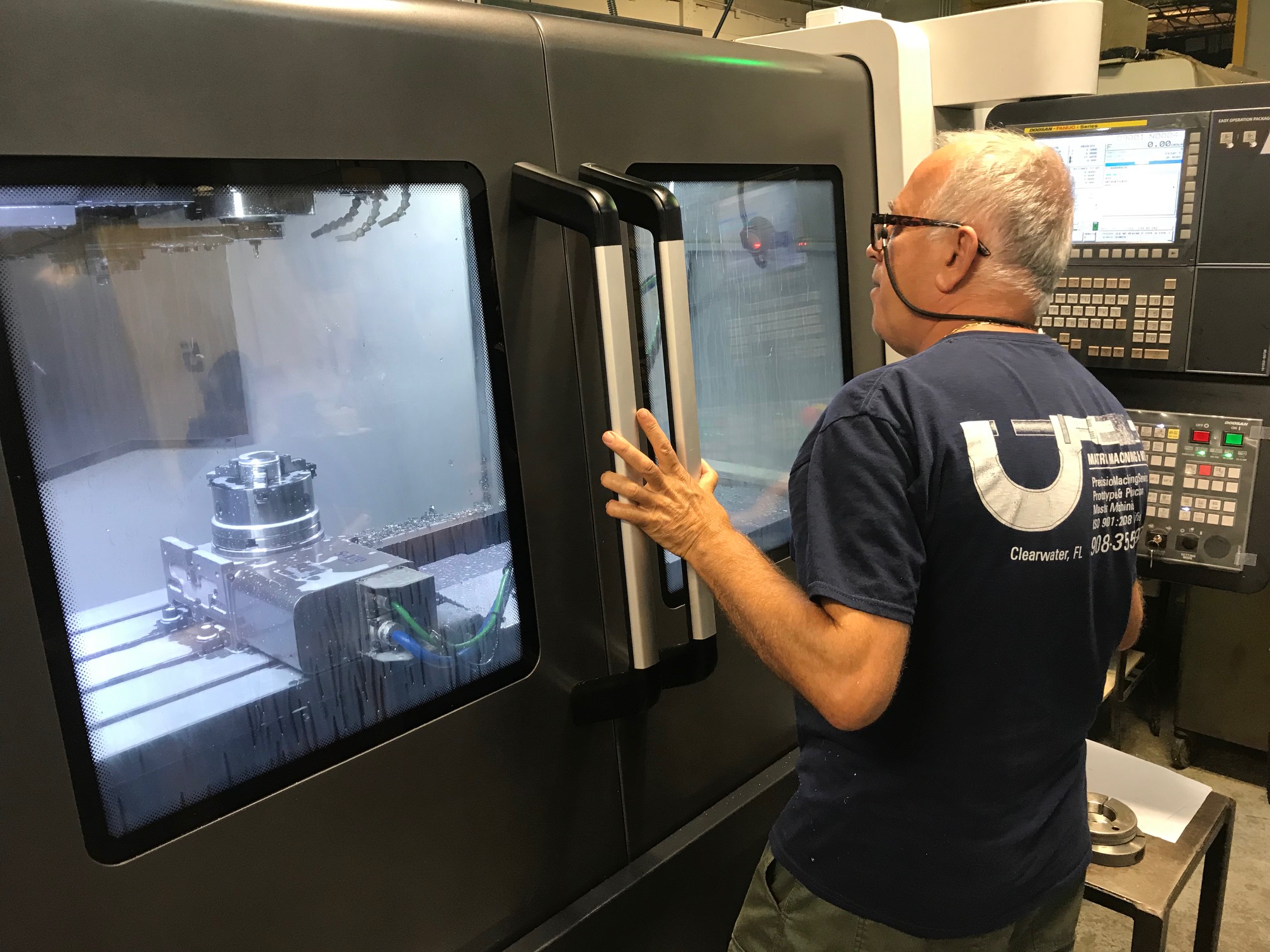
A five-step path from RFQ to delivery.
Submit the RFQ, review the drawing, manufacture the parts, inspect the critical features, and release the job for delivery.
Resources for process, material, and quoting questions.
Use the resource library to compare machining processes, review tolerance concepts, and prepare better information before requesting a quote.
Choose by material
Start from aluminum, stainless steel, titanium, brass, bronze, plastics, and other material-specific machining pages.
Choose by buyer concern
If the job is tolerance-sensitive, documentation-driven, or inspection-heavy, start with the quality section.
Choose by question
Use the resource center when the buyer is still comparing process, material, or quoting strategy before sending the RFQ.
Questions buyers ask before sending the RFQ
What do you need to quote a job?+
A drawing or sketch with key dimensions, material, quantity, and required timeline. If you are not sure, send what you have and Matrix can confirm what is still needed.
Do you support prototype and production work?+
Yes. Matrix supports prototype machining, repeatable production runs, repair parts, and ongoing manufacturing support when the print and scope are clearly defined.
What materials do you machine?+
Common projects include aluminum, steels, stainless steel, brass, bronze, plastics, titanium, and other customer-specified alloys tied to the application.
How do you handle inspection?+
Matrix uses in-process checks and final verification based on drawing requirements, with inspection attention focused on the dimensions and features that matter most to fit and function.
Send the print, scope, and timing. Matrix can sort the next step.
The fastest path is a current drawing, material, quantity, and any notes on critical features, inspection, or delivery. If the package is incomplete, Matrix can identify what is still needed before quoting.