Manufacturing Support
Workflow Support That Keeps Programs Moving
The workflow and shop support steps that help parts move from setup to delivery: tooling strategy, fixtures, coordination, and inspection checkpoints that keep production steady.
Support steps that improve repeatability and flow
Manufacturing support is the connective tissue of a machining program: it keeps the workflow controlled and repeatable, and it helps avoid delays caused by unclear requirements or inconsistent process steps.
- Tooling and fixture planning
- Setup documentation
- Workflow coordination
- Define print-critical features
- Capture setup and inspection notes
- Coordinate production steps through delivery
- Repeat part programs
- Production runs with consistent output
- Replacement-part programs for maintenance support
- Milled and turned parts
- Fixture components
- Assembly-ready components
Shop support equipment and tooling infrastructure
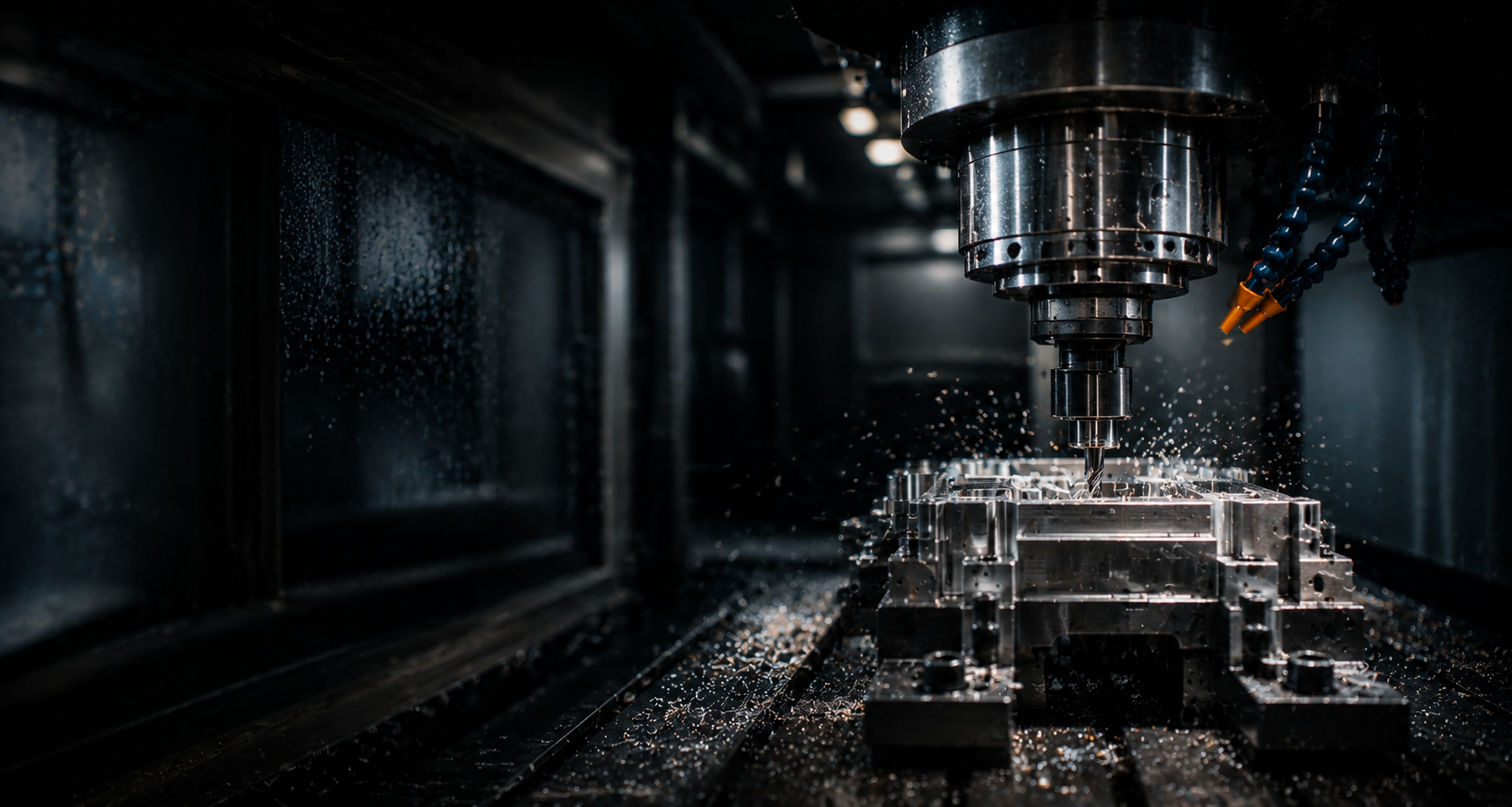
Manufacturing support relies on the equipment and tooling infrastructure that keeps machining programs consistent and efficient.
Often paired services
Support for industrial manufacturing programs
Manufacturing support applies across parts made from aluminum, steel, stainless, and engineering plastics. The goal is to keep the workflow controlled so parts meet requirements consistently.
Typical applications include production programs, equipment-component support, and replacement-part programs where repeatability and clarity matter.
Connect support needs to the right workflow pages
Manufacturing support questions
What is manufacturing support in a machine shop?
Manufacturing support includes the workflow steps that help parts move efficiently from setup through inspection and delivery—tooling strategy, coordination, and shop support processes.
Does manufacturing support include secondary operations?
Depending on the job requirements, manufacturing support can include secondary steps such as deburring and handling processes needed to prepare parts for delivery.
How does manufacturing support help production runs?
By standardizing setup notes, tooling/fixtures, and inspection checkpoints, manufacturing support helps maintain repeatability and reduce variability across a run.
What should be included with an RFQ?
Include the drawing/print, material, quantity, due date, and any finish or packaging notes. Critical dimensions and inspection requirements should be called out clearly.
Can Matrix help with ongoing part programs?
Yes. We can support ongoing programs by capturing repeatable process details and coordinating workflow steps for consistent output.
Need steady production support for machined parts?
Send your print, quantity, material, and timeline. We’ll align on critical features and support a workflow that keeps parts moving.